Hearing Products
If we determine that you do need a hearing aid, you will meet with Dr. Eackles or Dr. Campbell to discuss your options. You’ll be glad to know we offer a variety of brands, models and types, depending on your specific needs and preferences. We will never sell you a product and send you on your way. That’s just not the way we do things. We’ll make sure you a get a precise fit and that you are completely informed about and comfortable with your personal hearing device, including the maintenance and cleaning of your instruments.
Hearing Technology
Modern Solutions For All Types of Hearing Loss
Thanks to advances in technology, hearing products are designed to be more compatible with our lives than ever before. In addition to hearing aids, there are a number of products that make living and communicating with hearing loss easier to manage, so you never miss a beat.
Digital technology gives the audiologist maximum control over sound quality and sound processing characteristics. A variety of levels of digital technology, styles, and manufacturers are available based upon the patients' hearing loss, as well as their financial means and desires.
More on Digital Hearing DevicesHearing aids come in a wide variety of styles and offer a number of features at varying price points. The device you choose ultimately comes down to your hearing loss, lifestyle and budget. Our hearing aid styles guide can help you find the best match for your unique hearing needs.
More on Hearing Aid Styles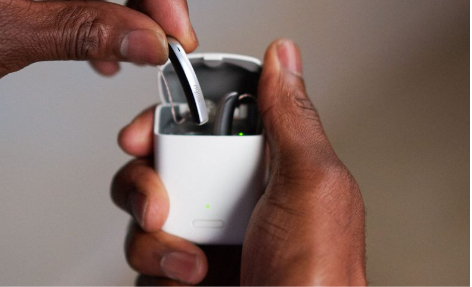
Hearing Product Guide
Curious About Hearing Technology, but Not Sure Where to Start?
With so many styles and options, it can be difficult to know which products will suit your needs. Our Consumer Guide to Hearing Aids provides an in-depth breakdown of the different types of hearing devices, as well as the technology available for all types of hearing loss.
Hearing Aid Manufacturers
Hearing Products Created by the Best in the Industry
When it comes to hearing loss, you need a device you can rely on to perform its best. That’s why we carry products from manufacturers with a proven track record of exceptional quality. No matter your budget, lifestyle or type of hearing loss, we have a product to meet your needs.

Oticon Hearing Aids
One of the top manufacturers of hearing aids, Oticon designs their products using BrainHearing™ technology to help you hear more clearly and naturally. They offer a wide range of styles to address all types of hearing loss and fit into any lifestyle.
View All Products
Starkey Hearing Aids
Starkey believes that quality hearing and clear communication means better physical and mental health. That’s why they design hearing aids that work with the natural anatomy of your ear, helping you hear and interpret sounds as naturally as possible.
View All ProductsHearing Protection
Make Protection a Priority
Protecting your ears from noise damage is essential to healthy hearing. We carry a wide variety of options equipped with the latest features and customizations, so you can find the best fit for your lifestyle.
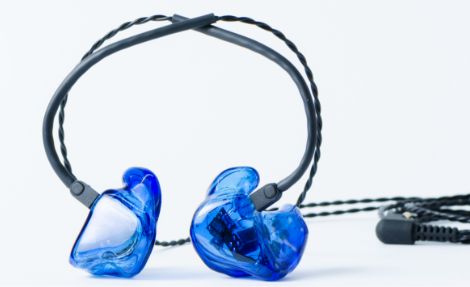
Noise damage is one of the leading causes of hearing loss, which is why hearing protection is essential for healthy hearing. While over-the-counter earplugs offer some protection, custom earmolds and earplugs are the most effective and comfortable options.
More on Custom Earmolds and EarplugsNoise damage is one of the main causes of hearing loss, which is why we offer a wide range of hearing protection and accessories to help you protect your hearing. Whether you’re a musician, hunter, or are frequently exposed to loud noises - we have an earplug designed for your needs.
More on Hearing Protection and Musicians' Ear Plugs